





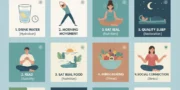






































































































12 Ways to Lower Blood Pressure Naturally Through Lifestyle Changes
Author: RVLNSV PRASAD
Updated: September 2026
About Us
Author Bio
Editorial Policy
Contact Us
Quick Answer
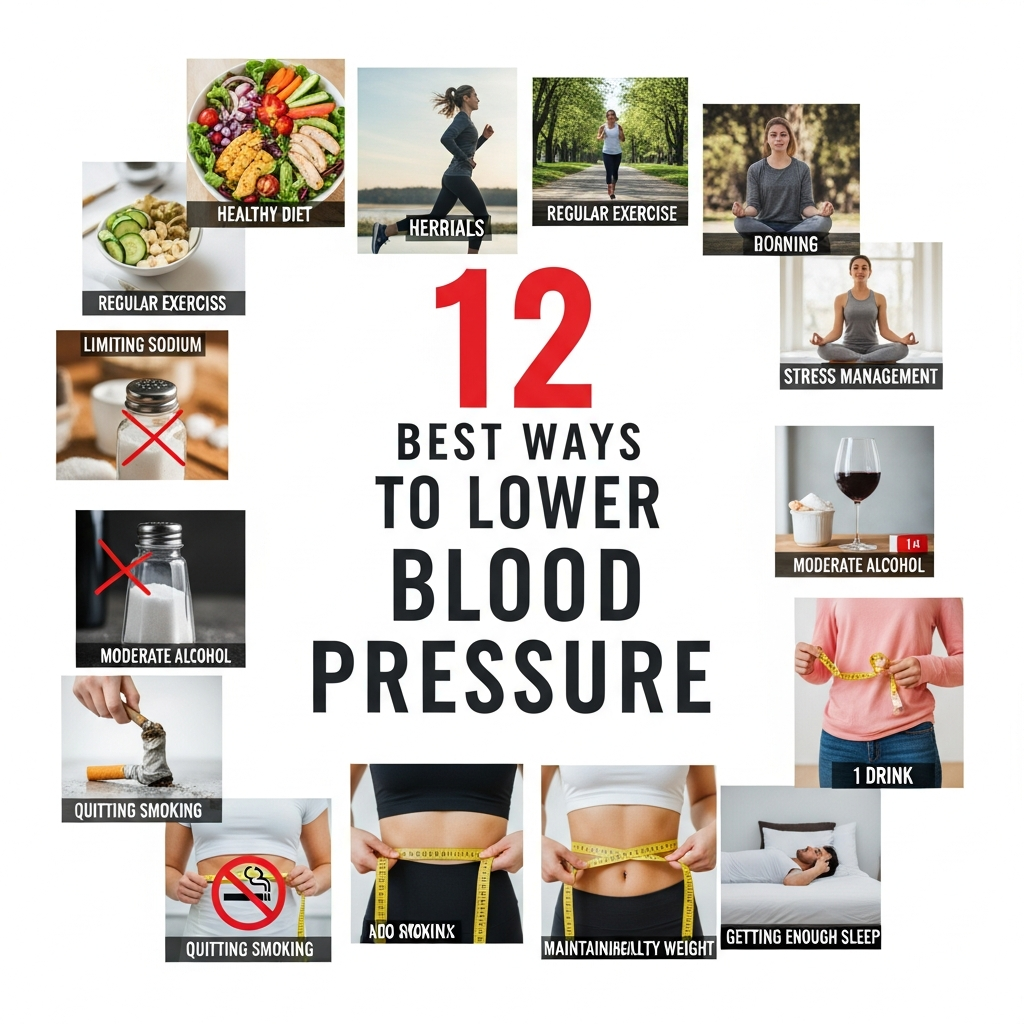
The most effective ways to lower blood pressure naturally are not based on one special food, drink, supplement, or exercise.
They involve a combination of sustainable lifestyle changes.
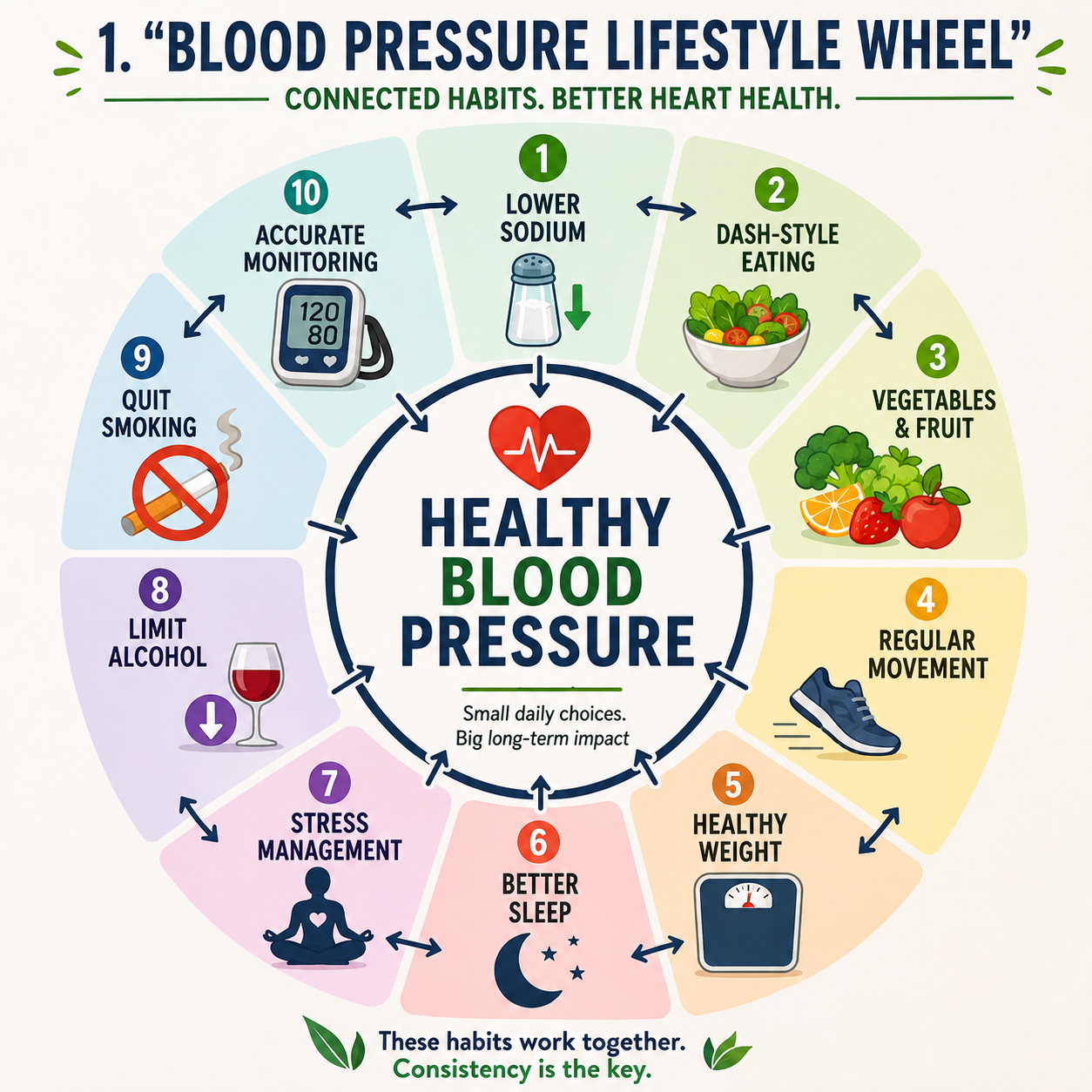
Current American Heart Association/American College of Cardiology guidance recommends lifestyle measures such as achieving or maintaining a healthy weight, following a heart-healthy eating pattern such as DASH, reducing sodium, increasing dietary potassium when appropriate, being physically active, managing stress, and reducing or eliminating alcohol.
Other important steps include avoiding tobacco and monitoring blood pressure accurately.
The World Health Organization similarly identifies unhealthy diet, excess salt, physical inactivity, tobacco, harmful alcohol use, and higher weight or obesity as modifiable factors associated with hypertension.
But there is an important distinction:
Lifestyle changes can support blood-pressure control. They do not necessarily replace medication.
The current 2025 AHA/ACC guideline recommends medication alongside lifestyle changes for some people depending on their average blood pressure and cardiovascular risk.
Key Takeaways
- Blood pressure management works better as a pattern of habits than as a search for one miracle solution.
- Reducing excess sodium can help lower blood pressure.
- The DASH eating pattern has strong evidence behind it.
- Vegetables, fruits, whole grains, beans, nuts, seeds, fish, and other nutritious foods can fit into a heart-healthy diet.
- Regular physical activity is an important part of blood-pressure management.
- Walking is a practical way to increase everyday movement.
- Healthy weight management can help when excess weight contributes to elevated blood pressure.
- Sleep and stress deserve attention.
- Smoking and excessive alcohol can work against cardiovascular health.
- Home monitoring can provide useful information when measurements are taken correctly.
- A single blood-pressure reading does not tell the whole story.
- Lifestyle changes should complement appropriate medical care.
Medical Disclaimer
This article is for general educational purposes only. It is not a substitute for professional medical advice, diagnosis, or treatment.
If you have high blood pressure, kidney disease, heart disease, diabetes, are pregnant, take prescription medication, or have another medical condition, speak with a qualified healthcare professional before making major changes.
Never stop or change prescribed medication based solely on information from this article.
Introduction
Searching for how to lower blood pressure can produce a confusing mixture of advice.
One website recommends a particular food.
Another promotes a supplement.
Another promises that a specific exercise will solve the problem.
Real blood-pressure management is less dramatic.
It is usually about many small factors working together.
- Your diet matters.
- Your sodium intake matters.
- Your activity level matters.
- Your weight may matter.
Sleep matters.
Smoking matters.
Alcohol can matter.
Stress can matter.
And measurement matters too.
The CDC notes that high blood pressure often has no symptoms and that measuring blood pressure is an important part of knowing whether it is high.
That is why this article takes a different approach.
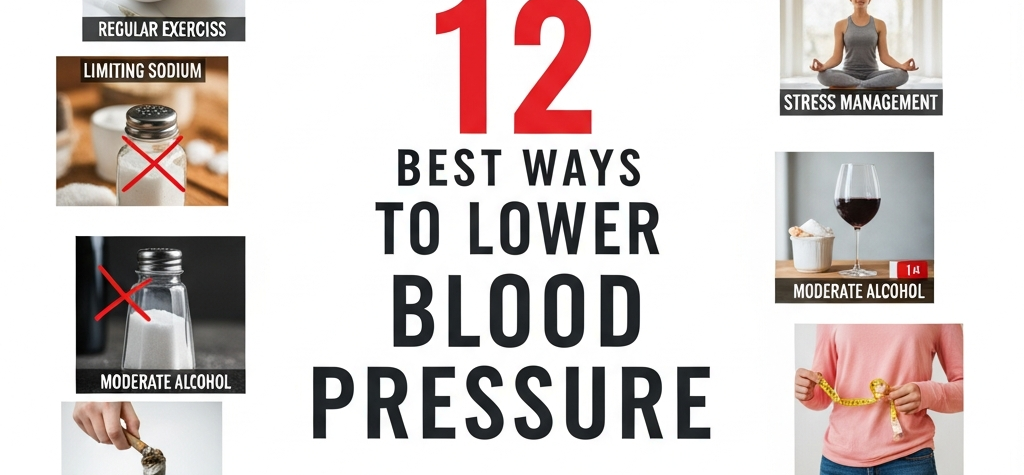
Instead of promising a quick fix, it focuses on 12 realistic lifestyle changes that can support healthier blood pressure, with practical examples for ordinary life.
My Personal Insight: Health Advice Has to Work in Real Life
My interest in blood-pressure habits became more personal when someone close to me was diagnosed with high blood pressure during a routine checkup.
What stayed with me was how ordinary the recommended changes were.
There wasn’t one dramatic trick.
The emphasis was on everyday decisions.
Food.
Movement.
Sleep.
Stress.
Weight.
Monitoring.
That changed how I think about health information.
People don’t live inside a medical textbook.
- They work.
- They travel.
- They cook family meals.
- They have busy days.
- They sometimes miss exercise.
- They sometimes eat restaurant food.
- They sometimes sleep badly.
So a recommendation is only genuinely useful if it can survive real life.
This is my personal perspective, not clinical evidence and not a claim that these habits caused a particular blood-pressure result.
The medical information below is based on the authoritative sources cited throughout the article.
1. Reduce Excess Sodium
If you want to know how to lower high blood pressure naturally, sodium is one of the first dietary factors worth examining.
Sodium and salt are related, but they aren’t exactly the same thing. Sodium is a mineral found in salt and many other foods.
Eating too much sodium can increase blood pressure.
The CDC identifies a diet high in sodium and low in potassium as a risk factor for high blood pressure and notes that much of the sodium people consume comes from processed and restaurant foods rather than simply adding salt at the table.
Look beyond the salt shaker.
Common sources can include:
- Packaged snacks
- Instant noodles
- Processed meats
- Restaurant meals
- Salty sauces
- Ready-made foods
- Some breads and packaged foods
Make food flavorful without relying only on salt.
Try:
- Garlic
- Ginger
- Lemon
- Black pepper
- Chilli
- Herbs
- Vinegar
- Spices
The goal isn’t to become frightened of salt.
It is to become more aware of where your sodium is coming from.
What does the evidence show?
The NHLBI’s DASH-Sodium research found that reducing sodium lowered blood pressure, and combining a lower-sodium diet with DASH produced a greater reduction than either approach alone.
That is a stronger evidence-based message than simply saying:
“Stop eating salt.”
2. Follow a DASH-Style Eating Pattern
One of the most important lifestyle changes for high blood pressure is improving overall dietary quality.
DASH stands for Dietary Approaches to Stop Hypertension.
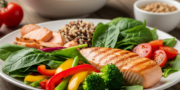
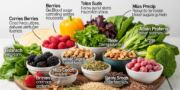
NHLBI describes DASH as a flexible eating plan emphasizing vegetables, fruits, whole grains, low-fat or fat-free dairy, fish, poultry, beans, nuts, and vegetable oils while limiting saturated fat, sugary foods and drinks, and sodium.
A simple way to visualize DASH
| Build your meal around | Examples |
|---|---|
| Vegetables | Spinach, broccoli, carrots, tomatoes |
| Fruit | Berries, oranges, apples, bananas |
| Whole grains | Oats, brown rice, whole-grain bread |
| Protein | Fish, poultry, beans, lentils |
| Nuts and seeds | Almonds, walnuts, seeds |
| Lower-fat dairy | Plain yogurt, low-fat milk |
| Healthy oils | Vegetable oils in appropriate amounts |
The DASH plan doesn’t require special “blood pressure foods.” ← Best, natural
That is one reason it can be practical.
3. Put Vegetables on the Plate More Often
Vegetables are a simple place to improve meal quality.
They can provide fiber, potassium, vitamins, minerals, and other nutrients while helping make meals more filling.
The DASH eating pattern specifically emphasizes vegetables and fruits.
Easy additions
Add vegetables to meals you already eat:
- Spinach to eggs
- Tomatoes to breakfast
- Vegetables to rice dishes
- Leafy greens to lunch
- Broccoli or beans to dinner
- Vegetables to soups and curries
This approach is more realistic than suddenly replacing every familiar meal.
My practical suggestion
Don’t ask:
“How do I completely change my diet?”
Ask:
“Where can I add one more vegetable today?”
That question is easier to act on.
4. Include Potassium-Rich Foods—When Appropriate
Potassium is another important part of a heart-healthy eating pattern.
Foods containing potassium include:
- Bananas
- Potatoes
- Beans
- Lentils
- Spinach
- Tomatoes
- Avocado
- Oranges
- Yogurt
The current AHA/ACC guideline recommends increasing dietary potassium as part of lifestyle management when appropriate.
However, this does not mean everyone should take potassium supplements.
People with kidney disease and people taking certain medications may need to restrict potassium or monitor it carefully.
So food advice needs context.
More potassium is not automatically better for everyone
5. Walk Every Day You Can
Walking is one of the easiest ways to increase physical activity.
You don’t need to treat every walk as a formal workout.
Movement can become part of ordinary life.
Try:
- Walking after dinner
- Walking during a work break
- Walking to a nearby destination
- Walking while talking on the phone when practical
- Taking an evening family walk
- Choosing stairs when appropriate
The CDC identifies regular physical activity as an important lifestyle measure for maintaining healthy blood pressure and keeping the heart and blood vessels strong.
A practical progression
| Current activity | Reasonable next step |
| Very little movement | Short, comfortable walks |
| Occasional walking | Establish a regular routine |
| Regular walking | Gradually increase duration. |
| Comfortable with walking | Add some brisk walking if appropriate. |
You don’t need to copy someone else’s walking routine.
Your starting point should match your health and fitness.
6. Add Regular Physical Activity
Walking is useful, but there are many other forms of activity.
You might enjoy:
- Cycling
- Swimming
- Dancing
- Hiking
- Jogging
- Aerobic classes
- Resistance training
The 2025 AHA/ACC guideline recommends regular moderate physical activity as part of blood-pressure prevention and treatment.
The AHA also lists regular physical activity among the major lifestyle measures that can improve blood pressure and cardiovascular health.
Don’t chase the hardest workout.
A common mistake is assuming:
“If exercise is good, extremely hard exercise must be better.”
Not necessarily.
A routine you can maintain is often more useful than a punishing program that lasts only a few days.
7. Work Toward a Healthy Weight When Appropriate
Excess body weight can increase the workload on the cardiovascular system.
The CDC notes that maintaining a healthy weight can help reduce the strain on the heart and lower the risk of high blood pressure and cardiovascular disease.
But weight management shouldn’t become an obsession with a particular number.
Focus on behaviors.
Instead of:
“I need to lose a huge amount of weight immediately.”
Try:
- Walk regularly
- Reduce sugary drinks
- Eat more vegetables
- Watch portions
- Choose nutrient-rich foods
- Sleep consistently
The current AHA/ACC guideline includes achieving or maintaining a healthy weight among strongly recommended lifestyle measures.
8. Improve Your Sleep Routine
Sleep is easy to ignore when you’re busy.
But it deserves a place in a discussion about healthy habits for blood pressure.
A good routine can include:
- Keeping a consistent bedtime
- Creating a dark, comfortable bedroom
- Reducing unnecessary screen use before bed
- Avoiding habits that interfere with sleep
- Discussing persistent sleep problems with a healthcare professional
If you regularly snore loudly, stop breathing during sleep, or remain extremely tired despite apparently adequate sleep, don’t assume you simply need more discipline.
Discuss persistent symptoms with a healthcare professional.
9. Manage Stress in a Practical Way
Stress isn’t something you can completely eliminate.
The goal is learning ways to manage it.
The 2025 AHA/ACC guideline specifically includes stress management among recommended lifestyle measures for elevated blood pressure and hypertension.
Practical options
- Walking
- Slow breathing
- Meditation
- Yoga
- Music
- Time outdoors
- Hobbies
- Social connection
- Talking with someone you trust
A crucial distinction
Stress management is supportive.
It isn’t a substitute for diagnosing or treating hypertension.
If stress, anxiety, or emotional distress becomes persistent or severe, seek appropriate professional support.
10. Limit Alcohol
Alcohol can raise blood pressure, particularly when intake is excessive.
The CDC identifies excessive alcohol consumption as a risk factor for high blood pressure.
The 2025 AHA/ACC guideline recommends reducing or eliminating alcohol as part of blood-pressure management.
If you drink, think about the pattern rather than only one occasion.
Ask:
- How often do I drink?
- How much do I drink?
- Does alcohol interfere with sleep?
- Does it lead to overeating?
- Could some drinking occasions become alcohol-free?
For people who do not drink, there is no health reason to start drinking for blood-pressure benefits.
11. Quit Smoking and Avoid Tobacco
Smoking is not simply a blood-pressure issue.
It is a major cardiovascular risk factor.
The CDC states that smoking damages blood vessels and increases the risk of high blood pressure, heart disease, heart attack, and stroke.
Nicotine can also temporarily raise blood pressure.
If quitting is difficult
Don’t interpret previous failed attempts as proof that you cannot quit.
Nicotine dependence can be difficult to overcome.
Professional support, counseling, and evidence-based cessation treatments can help.
Quitting is not about proving willpower.
It is about using effective support.
12. Measure Your Blood Pressure Correctly at Home
This may be one of the most useful parts of this article.
People sometimes focus intensely on changing their diet while paying little attention to how they measure blood pressure.
The American Heart Association recommends an automatic, validated upper-arm cuff-style monitor for home use. It also recommends proper preparation and positioning and says home monitoring can help healthcare professionals assess whether treatment is working.
Before measuring
- Avoid exercise for about 30 minutes.
- Avoid caffeine beforehand.
- Don’t smoke beforehand.
- Empty your bladder.
- Sit quietly for at least five minutes.
During measurement
- Sit with your back supported.
- Keep both feet flat on the floor.
- Support your arm.
- Keep the cuffed arm around heart level.
- Don’t talk.
Take more than one reading.
The AHA recommends taking two readings about one minute apart and recording them.
Your home-monitoring table
| Step | What to do |
| Prepare | Avoid caffeine, smoking, and exercise beforehand. |
| Rest | Sit quietly for at least 5 minutes. |
| Position | Back supported, feet flat |
| Arm | Supported around heart level |
| Reading 1 | Measure without talking. |
| Wait | About 1 minute |
| Reading 2 | Measure again. |
| Record | Keep a written or digital log. |
One reading is a snapshot.
A series of properly collected readings can provide a more useful picture.
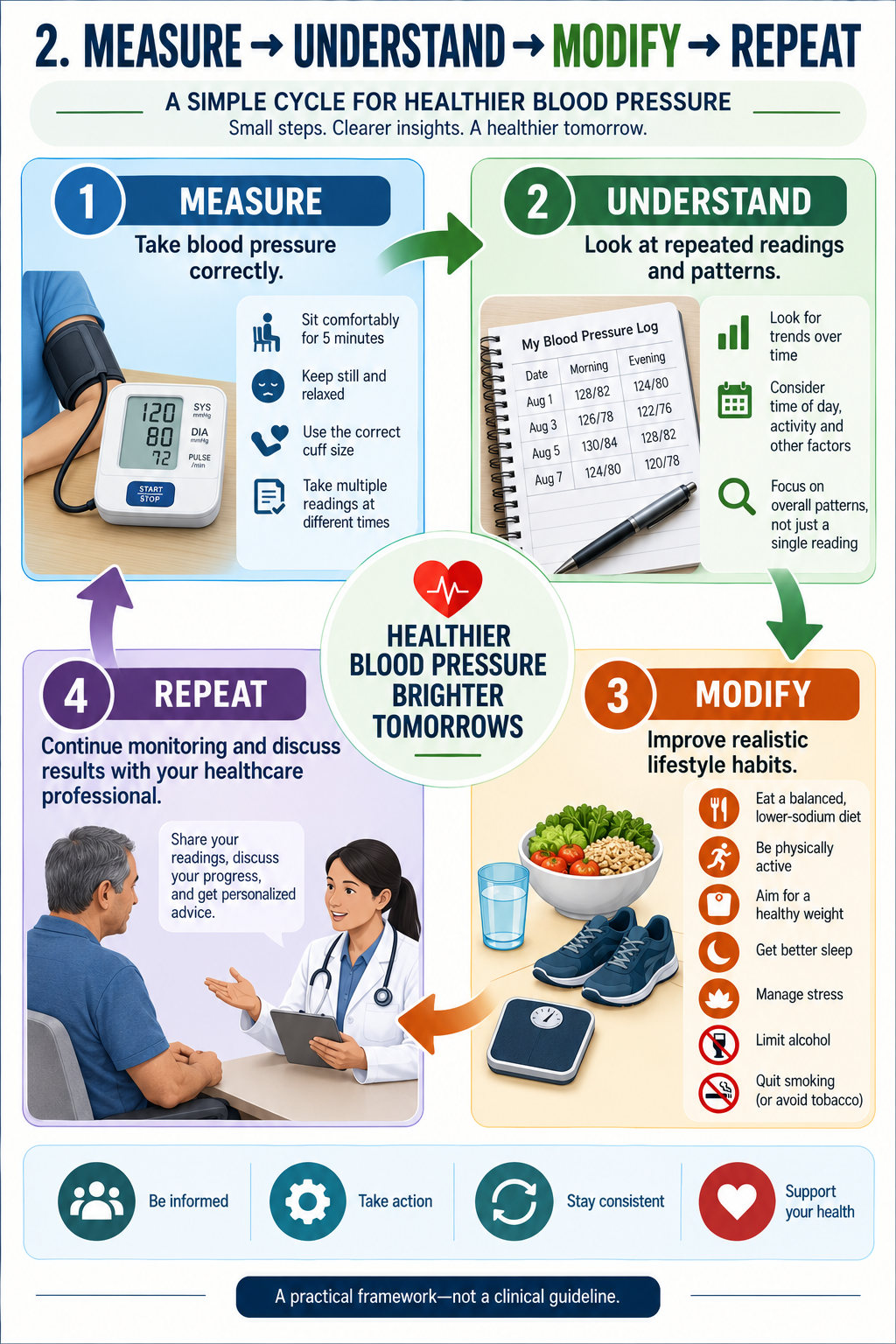
The Original “Measure → Modify → Repeat” Method
Here’s a practical framework I would use for this article.
MEASURE
Know your blood pressure readings.
↓
UNDERSTAND
Look for patterns rather than reacting emotionally to one number.
↓
MODIFY
Change one or two realistic lifestyle habits.
↓
REPEAT
Continue monitoring and discuss the pattern with your healthcare professional.
This is my practical framework, not a clinical guideline.
The reason I like it is simple:
You can change your behavior more intelligently when you know what you’re actually measuring.
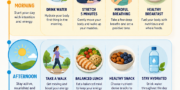
A Blood-Pressure-Friendly Day
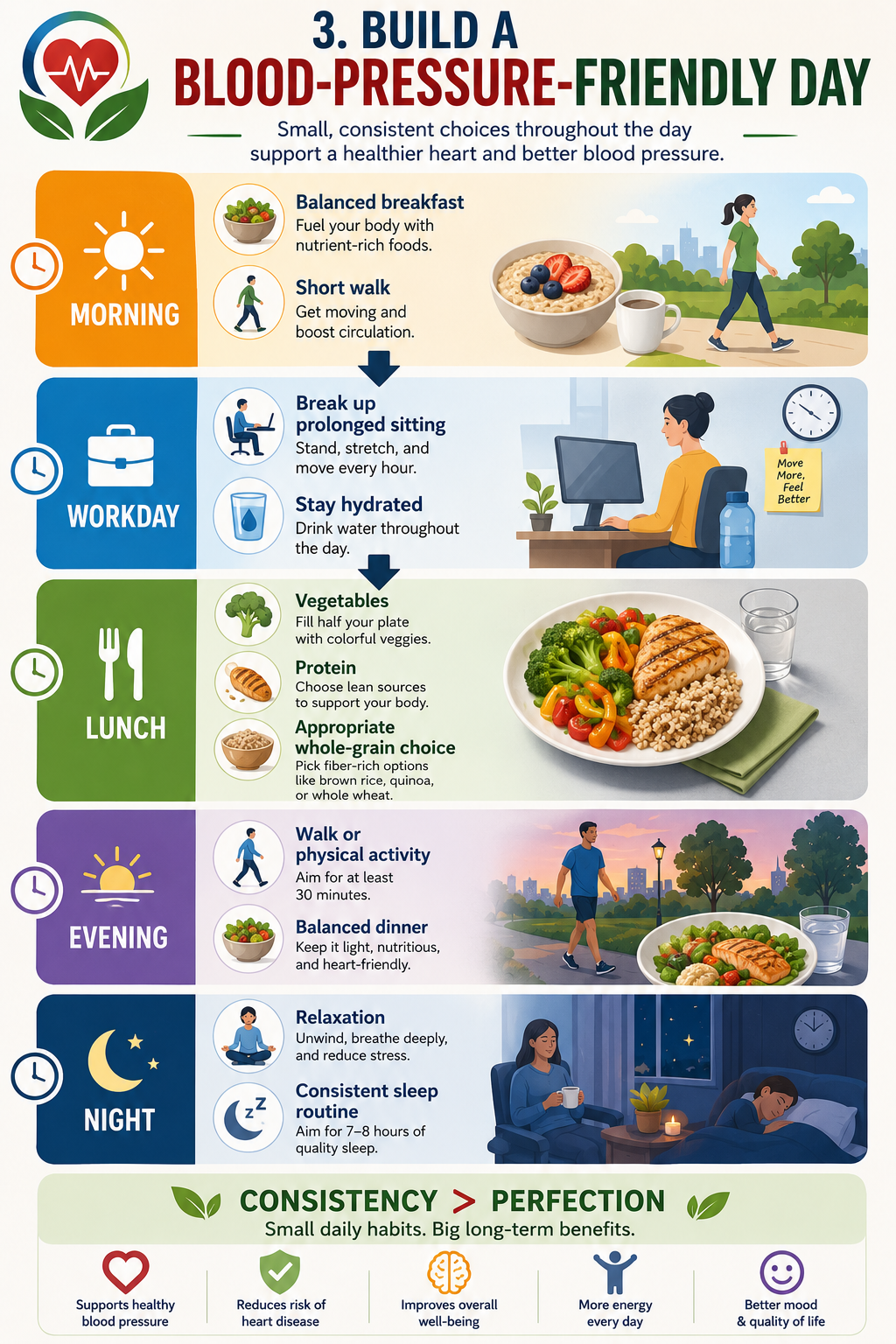
You don’t need a perfect health routine.
Here’s what a realistic day might look like.
Morning
Breakfast
Vegetables or fruit
- protein
- appropriate whole-grain food
Workday
Take short movement breaks.
Drink water.
Avoid unnecessary high-sodium packaged snacks.
Lunch
Vegetables
- protein
- whole grain or another appropriate carbohydrate
Evening
Take a walk if appropriate.
Prepare a balanced dinner.
Night
Reduce unnecessary stimulation.
Follow a consistent sleep routine.
This approach reflects the broader lifestyle strategy recommended by current AHA/ACC guidance rather than relying on one isolated intervention.
A Simple Weekly Habit Tracker
| Habit | Mon | Tue | We | Thu | Fri | Sat | Sun |
| Vegetables with meals | ✓ | ✓ | ✓ | ✓ | ✓ | ✓ | ✓ |
| Regular movement | ✓ | ✓ | ✓ | ✓ | ✓ | ✓ | ✓ |
| Lower-sodium choices | ✓ | ✓ | ✓ | ✓ | ✓ | ✓ | ✓ |
| Sleep routine | ✓ | ✓ | ✓ | ✓ | ✓ | ✓ | ✓ |
| Stress-management activity | ✓ | ✓ | ✓ | ✓ | ✓ | ✓ | ✓ |
| Medication as prescribed | ✓ | ✓ | ✓ | ✓ | ✓ | ✓ | ✓ |
This is not a medical scoring system.
It’s simply a visual reminder that blood-pressure management is built from repeated behaviors.
The “Don’t Change Everything at Once” Rule
This is one of the most practical lessons I would add to a blood-pressure article.
Someone reads that they need to:
- exercise
- lose weight
- stop smoking
- reduce sodium
- sleep better
- manage stress
- change their diet
- reduce alcohol
It can feel overwhelming.
Instead, start with the easiest meaningful change.
Example
First: reduce high-sodium packaged foods.
↓
Next: establish regular walking.
↓
Next: improve the evening sleep routine.
↓
Next: review home-monitoring technique.
The exact order doesn’t matter.
The principle is
Make the next healthy action easier to repeat.
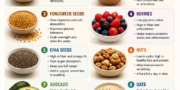
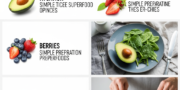
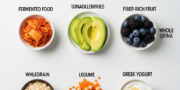
What Foods Support Healthy Blood Pressure?
A blood-pressure-friendly eating pattern can include many familiar foods.
Vegetables
- Spinach
- Tomatoes
- Broccoli
- Carrots
- Green beans
- Cabbage
- Peppers
Fruits
- Bananas
- Oranges
- Apples
- Berries
- Other whole fruits
Whole grains
- Oats
- Brown rice
- Whole-grain bread
- Other whole grains
Protein foods
- Fish
- Poultry
- Beans
- Lentils
- Yogurt
- Nuts
- Seeds
These choices broadly align with the DASH eating pattern described by NHLBI.
A Simple Food-Swap Guide
| Instead of relying heavily on… | Try more often… |
| Salty packaged snacks | Unsalted nuts or fruit |
| Sugary drinks | Water or unsweetened drinks |
| Processed meats | Fresh protein options |
| Highly refined grains | Whole grains where appropriate |
| Salty sauces | Herbs, spices, garlic, lemon |
| Large portions | More appropriate portions |
| Frequent restaurant meals | Home-prepared meals when practical |
These aren’t rules that must be followed perfectly.
They’re starting points.
What Lifestyle Changes Can—and Cannot—Do
| Lifestyle changes can support | They cannot guarantee |
| Healthier blood pressure | Immediate normalization |
| Better cardiovascular health | A cure for hypertension |
| Better diet quality | Elimination of medication |
| Improved physical fitness | Identical results for everyone |
| Lower cardiovascular risk | Protection from every disease |
| Better long-term habits | A specific blood-pressure reduction |
The distinction is essential.
The WHO states that lifestyle changes can help reduce blood pressure and risk factors but also notes that some people need medicines to control hypertension effectively.
The current AHA/ACC guideline similarly combines lifestyle intervention with medication when indicated by blood-pressure levels and cardiovascular risk.
Common Blood Pressure Myths
Myth 1: You can tell when your blood pressure is high.
Reality: High blood pressure often has no symptoms. Measurement is the reliable way to know your numbers.
Myth 2: One high reading proves you have hypertension.
Reality: A single measurement is a snapshot. Repeated, properly taken measurements and professional assessment are important.
Myth 3: One food can lower blood pressure.
Reality: Overall dietary patterns matter more than a single “superfood.”
Myth 4: Natural remedies are automatically safer.
Reality: Natural does not automatically mean effective or safe.
Myth 5: If your home reading improves, you can stop medication.
Reality: The AHA specifically advises not stopping blood-pressure medication without discussing it with your healthcare professional.
Myth 6: Everyone should take potassium supplements.
Reality: Potassium can be beneficial, but people with certain kidney conditions or medications may need to limit it or monitor it carefully.
When a Blood Pressure Reading Needs Urgent Attention
This is one area where you should not experiment with lifestyle remedies.
The American Heart Association says that if your blood pressure is higher than 180/120 mm Hg, wait at least one minute and measure again.
If it remains that high, please contact a healthcare professional immediately.
If a very high reading occurs with symptoms such as chest pain, shortness of breath, weakness, numbness, vision changes, or difficulty speaking, the situation can be a medical emergency, and emergency medical services should be contacted.
Do not attempt to treat a potentially dangerous reading with exercise, food, supplements, or home remedies.
Frequently Asked Questions
1. What are the best ways to lower blood pressure?
The most important lifestyle approaches include reducing excess sodium, following a heart-healthy eating pattern such as DASH, staying physically active, maintaining a healthy weight when appropriate, managing stress, avoiding tobacco, limiting alcohol, getting adequate sleep, and monitoring blood pressure correctly.
2. Can you lower blood pressure naturally?
Lifestyle changes can help support healthier blood pressure, but they do not work identically for everyone. Some people require medication in addition to lifestyle changes.
3. Does walking help lower blood pressure?
Regular physical activity can support blood pressure management. Walking is one practical way to increase activity, although the appropriate intensity depends on your health and fitness.
4. What foods support healthy blood pressure?
The DASH eating pattern emphasizes vegetables, fruits, whole grains, beans, nuts, seeds, fish, poultry, and lower-fat dairy while limiting sodium and saturated fat.
5. How much sodium should I eat?
NHLBI’s DASH plan uses 2,300 mg of sodium per day as a standard limit and notes that reducing sodium to 1,500 mg can lower blood pressure even further. Individual recommendations may differ, so discuss an appropriate target with your healthcare professional.
6. Can losing weight help lower blood pressure?
If excess weight is contributing to high blood pressure, achieving or maintaining a healthier weight can help. The CDC and current AHA/ACC guidance both include healthy-weight management among important lifestyle measures.
7. Can stress affect blood pressure?
Stress can affect blood pressure and can make healthy behaviors more difficult to maintain. Current AHA/ACC guidance includes stress management as part of lifestyle treatment.
8. How should I monitor blood pressure at home?
Use an appropriate automatic upper-arm cuff monitor, prepare properly, sit quietly, position yourself correctly, and take repeated readings. The AHA recommends recording readings over time rather than relying on one measurement.
9. Should I stop medication if lifestyle changes work?
No. Never stop or change prescribed blood-pressure medication without discussing it with your healthcare professional.
10. What if my blood pressure is above 180/120?
Repeat the measurement after at least one minute. If it remains above 180/120, contact a healthcare professional immediately. If symptoms such as chest pain, shortness of breath, weakness, numbness, vision changes, or difficulty speaking occur, seek emergency medical care.
Conclusion
The best ways to lower blood pressure naturally are not hidden inside one special food, drink, or supplement.
They are built through repeated habits.
Reduce excess sodium.
Eat more vegetables and nutrient-rich foods.
Follow a DASH-style eating pattern.
Move regularly.
Work toward a healthy weight when appropriate.
Sleep well.
Manage stress.
Limit alcohol.
Avoid tobacco.
And learn how to measure your blood pressure accurately.
The most important lesson is that blood-pressure management is a long-term process, not a one-day challenge.
You don’t need to transform your entire life tomorrow.
Start with one change you can realistically repeat.
Then build from there.
At the same time, remember that lifestyle changes are part of medical care—not automatically a replacement for it. Current AHA/ACC guidance recommends lifestyle intervention for all adults with elevated blood pressure or hypertension while using medication when appropriate based on blood pressure levels and cardiovascular risk.
The goal isn’t perfection.
The goal is a healthier pattern that you can maintain.
Author Note
About the Author—RVLNSV PRASAD
RVLNSV PRASAD creates reader-focused health and wellness content designed to explain complex health topics in clear, practical language.
His approach combines reputable medical sources, practical everyday examples, personal observations, and people-first explanations.
Personal experiences included in this article are clearly identified as personal observations and are not presented as clinical evidence.
Medical Disclaimer
This article is for general educational and informational purposes only. It is not a substitute for professional medical advice, diagnosis, or treatment.
If you have high blood pressure, heart disease, kidney disease, diabetes, are pregnant, or take prescription medication, consult a qualified healthcare professional about your individual situation.
Never stop, reduce, or change prescribed treatment based solely on information in this article.
Evidence-Based Sources
- American Heart Association — 2025 High Blood Pressure Guideline
- American Heart Association — Home Blood Pressure Monitoring
- American Heart Association — Lifestyle Changes for High Blood Pressure
- NHLBI — DASH Eating Plan
- NHLBI — Health Benefits of DASH
- CDC — Managing High Blood Pressure
- CDC — High Blood Pressure Risk Factors
- WHO — Hypertension
Similar Content




[…] 12 Best Ways To Lower Blood Pressure […]